
Landscaping & Hardscaping
Paver hardscape, xeriscape planting, and grading work engineered for clay soils and Front Range water rules.
What this work involves
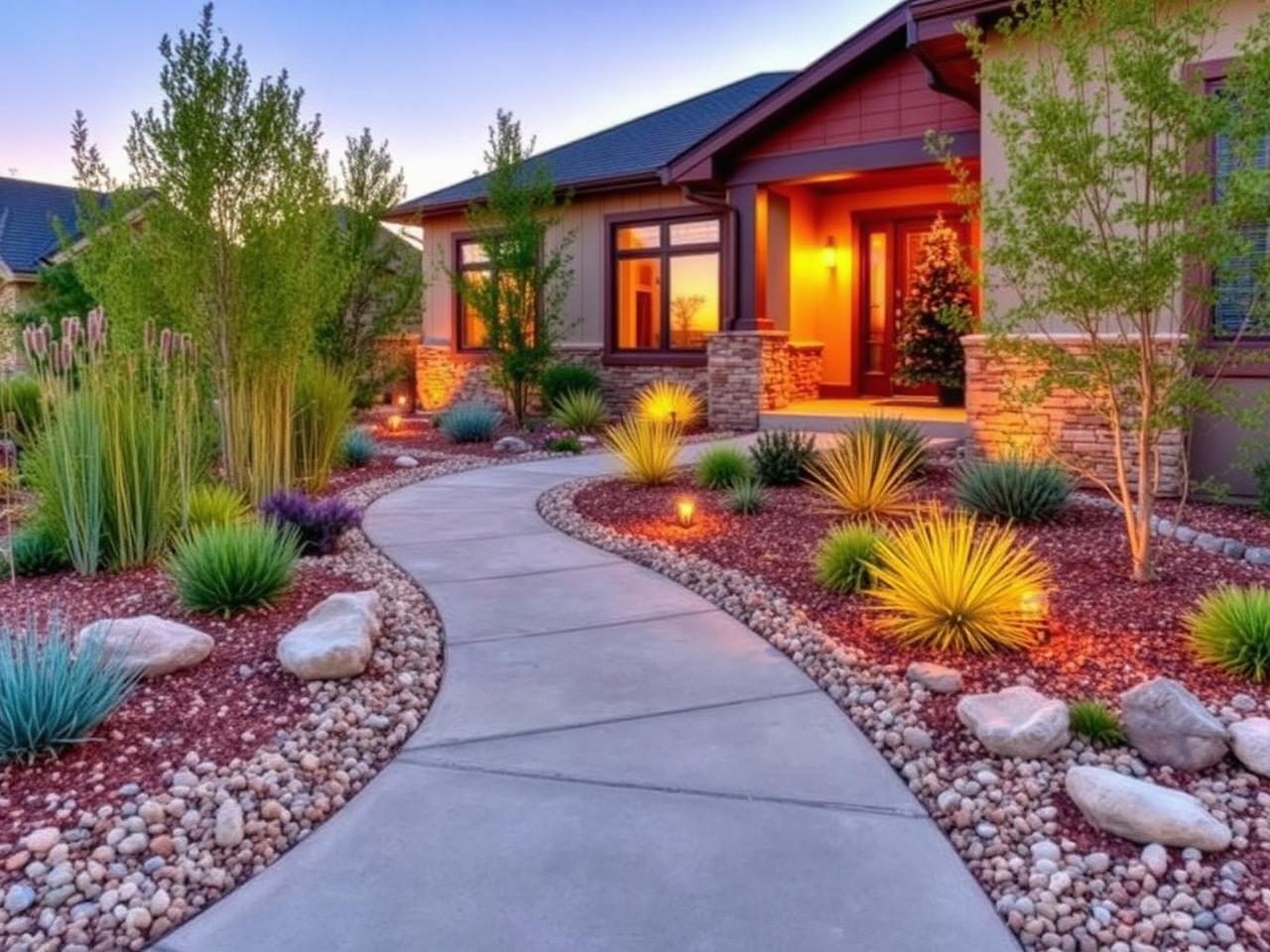
Landscaping in the Denver metro isn't just planting a few shrubs against a house — it's grading, soil correction, and hardscape work that has to hold up against expansive clay soils, hail, and a water budget that gets tighter every summer. We do full landscape renovations: paver patios and walkways, rock beds and mulch beds, retaining structures for grade transitions, and xeriscape conversions that cut irrigation demand without turning a yard into gravel and yucca.
A lot of our landscaping work starts as a fix for something that's already failing — a lawn that won't hold water on a slope, a mulch bed that erodes into the driveway every time it rains, a patio that's heaved and gone uneven after a few winters. We diagnose the grading and drainage problem first, because no amount of new plants or pavers will fix a yard that's shedding water toward the foundation instead of away from it.
For new landscapes, we design around the site's actual sun exposure, soil type, and water access rather than a stock plant list, and we're upfront that a xeriscape conversion is a multi-year process — plants establish root systems over one to two seasons before they're truly drought-tolerant.
What is included
- Site assessment for drainage and soil conditions
- Design layout with plant and material selections
- Grading correction where needed
- Compacted base hardscape installation
- Soil amendment for planting beds
- Drip or spray irrigation as scoped
- Mulch or rock top-dress
- Establishment watering guidance and plant warranty terms
What you get out of it
Grading that protects the foundation
We re-grade before we plant or pave, so water moves away from the house instead of pooling against the foundation.
Lower water bills over time
Xeriscape conversions with drip irrigation and native planting typically cut outdoor water use 30–50% once plants are established.
Hardscape that stays level
Properly compacted base under pavers and walkways resists the freeze-thaw heaving that ruins DIY installations.
Erosion control on slopes
Rock beds, retaining structures, and root systems on graded slopes stop the soil loss that erodes mulch and topsoil onto sidewalks and driveways.
Curb appeal that holds up
Plant selections chosen for hail resistance and Front Range hardiness zones (5b–6a in the metro) rather than nursery stock better suited to milder climates.
How we run the job
- 01
Site assessment
We evaluate drainage, soil type, sun exposure by zone, and existing irrigation before proposing any design.
- 02
Design and plant selection
Layout for hardscape, planting beds, and irrigation zones, with plant choices matched to sun, soil, and water goals.
- 03
Grading and drainage
Rough grading corrects slope issues and establishes positive drainage away from the house before any hardscape or planting begins.
- 04
Hardscape installation
Paver patios, walkways, and any retaining structures go in with compacted base per Front Range freeze-thaw requirements.
- 05
Soil preparation and planting
Amended soil in planting beds (our native clay needs organic matter and often gypsum to improve structure), then plant installation.
- 06
Irrigation and mulch
Drip irrigation for beds, spray heads for turf areas if retained, and mulch or rock top-dress for weed suppression and moisture retention.
- 07
Walkthrough and care plan
We cover watering schedule for establishment, seasonal maintenance, and warranty terms on plant material.
How long it takes
- Design
- 1–2 weeks for a full backyard plan, less for a single bed or walkway.
- Grading and drainage correction
- 1–3 days depending on yard size and slope severity.
- Paver patio or walkway
- 3–7 working days.
- Full landscape renovation
- 2–4 weeks including hardscape, planting, and irrigation.
- Plant establishment
- 1–2 growing seasons before drought-tolerant plantings need minimal supplemental water.
What moves the price
- Grading complexity
- Yards with significant slope or existing drainage problems need more excavation and sometimes a French drain or dry well before hardscape or planting starts.
- Hardscape square footage
- Paver patios and walkways run roughly $18–$30 per square foot installed depending on paver style and base depth required.
- Plant material and size
- Larger established shrubs and trees cost significantly more than smaller nursery stock, though they establish faster.
- Irrigation scope
- Adding new drip zones or retrofitting an existing sprinkler system adds cost, especially if the controller and backflow preventer also need updating.
- Site access
- Backyards without gate access wide enough for equipment require more hand labor for excavation and material moving.
Specifications that hold up in Colorado
Paver base and bedding
6–8 inches of compacted Class 6 road base in 2-inch lifts, topped with 1 inch of screeded bedding sand — the same standard we hold for patios, applied to walkways and paths.
Xeriscape planting
Blue grama, buffalo grass, Rocky Mountain penstemon, blue avena grass, and other natives selected for the metro's 5b–6a hardiness zones and low water requirements.
Rock and mulch beds
Landscape fabric and a rock or shredded cedar mulch top layer control weeds and erosion; we avoid fabric under areas that will be replanted or amended later since it complicates root growth.
Soil amendment
Front Range clay is dense and drains poorly; we typically till in compost or amended topsoil to a depth of 6–8 inches in new planting beds to improve structure and drainage.
Drip irrigation
Zone-specific drip lines for beds and shrubs use far less water than spray irrigation and reduce fungal issues on plant foliage.
Colorado considerations
Front Range clay soil swells when wet and shrinks when dry, which is hard on both plant roots and hardscape bases if it isn't accounted for. We amend planting beds and compact hardscape bases specifically to manage this rather than treating the soil as generic dirt.
Water restrictions and rebate programs vary by water provider — Denver Water, Aurora Water, and South Suburban Parks & Recreation District each have different watering schedules and turf-replacement incentives, and we design irrigation zones around whichever restrictions apply to the property.
Hail is a real design factor here, not an afterthought. Broad-leafed plants that look great in a nursery photo can get shredded in a single June storm; we lean on natives and hail-tolerant ornamental grasses in exposed areas.
Many HOAs in the Denver metro have specific rules about xeriscape conversions, visible rock coverage percentages, and turf removal, and some require design approval before work starts — we check this during design so the plan doesn't stall at the HOA review stage.
Project photos
Landscaping & Hardscaping FAQs
How much water does xeriscaping actually save?
Once plants are established after one to two growing seasons, most xeriscape conversions cut outdoor water use 30–50% compared to a traditional bluegrass lawn and spray-irrigated beds.
Will new landscaping fix a wet basement or soggy yard?
Regrading can redirect surface water away from the foundation, but a genuinely wet basement usually needs a dedicated drainage solution — French drains, a sump system, or grading combined with a swale. We assess both together.
Can you work with our existing HOA landscape rules?
Yes — we review the HOA's design guidelines and, where required, submit for approval before starting work, particularly for xeriscape conversions and visible hardscape changes.
What's the lifespan of a paver patio installed correctly?
With a properly compacted base, pavers can last 25+ years; the joint sand and occasional releveling of individual pavers is normal maintenance, not a sign of failure.
Do you offer a warranty on plant material?
We warranty plant material for one growing season against failure to establish, provided the agreed watering schedule was followed; this excludes hail or wildlife damage.
Is now a good time to convert turf to xeriscape given water rates?
Many Front Range water providers now offer turf-replacement rebates, which can offset a meaningful portion of conversion costs — we can point you to the current program for your water district.
Related services
Decks & Patios
Cedar and composite decks, paver patios, and covered structures engineered for Colorado snow load and UV exposure.
Retaining Walls
Segmental block, boulder, timber, and poured concrete retaining walls engineered for Front Range slopes and clay soils.
Drainage
Grading corrections, French drains, and surface water solutions built for expansive Front Range clay.
Start your landscaping & hardscaping project
Tell us what you are planning. We walk the site, talk through what it actually takes, and send a line-item estimate you can read.