
Excavation & Dirt Work
Foundation excavation, utility trenching, and site grading built around Front Range clay, rock, and frost depth.
What this work involves
Excavation is the part of a project nobody sees once the concrete goes in, which is exactly why it has to be right the first time. On the Front Range, that means reading the soil before you ever set a bucket down — most of the metro area sits on Denver Blue clay or Pierre Shale, both of which swell when they get wet and shrink when they dry out. Get the over-excavation depth, the moisture-conditioning, or the compaction wrong and you're looking at cracked slabs and sticking doors two years later, not two months.
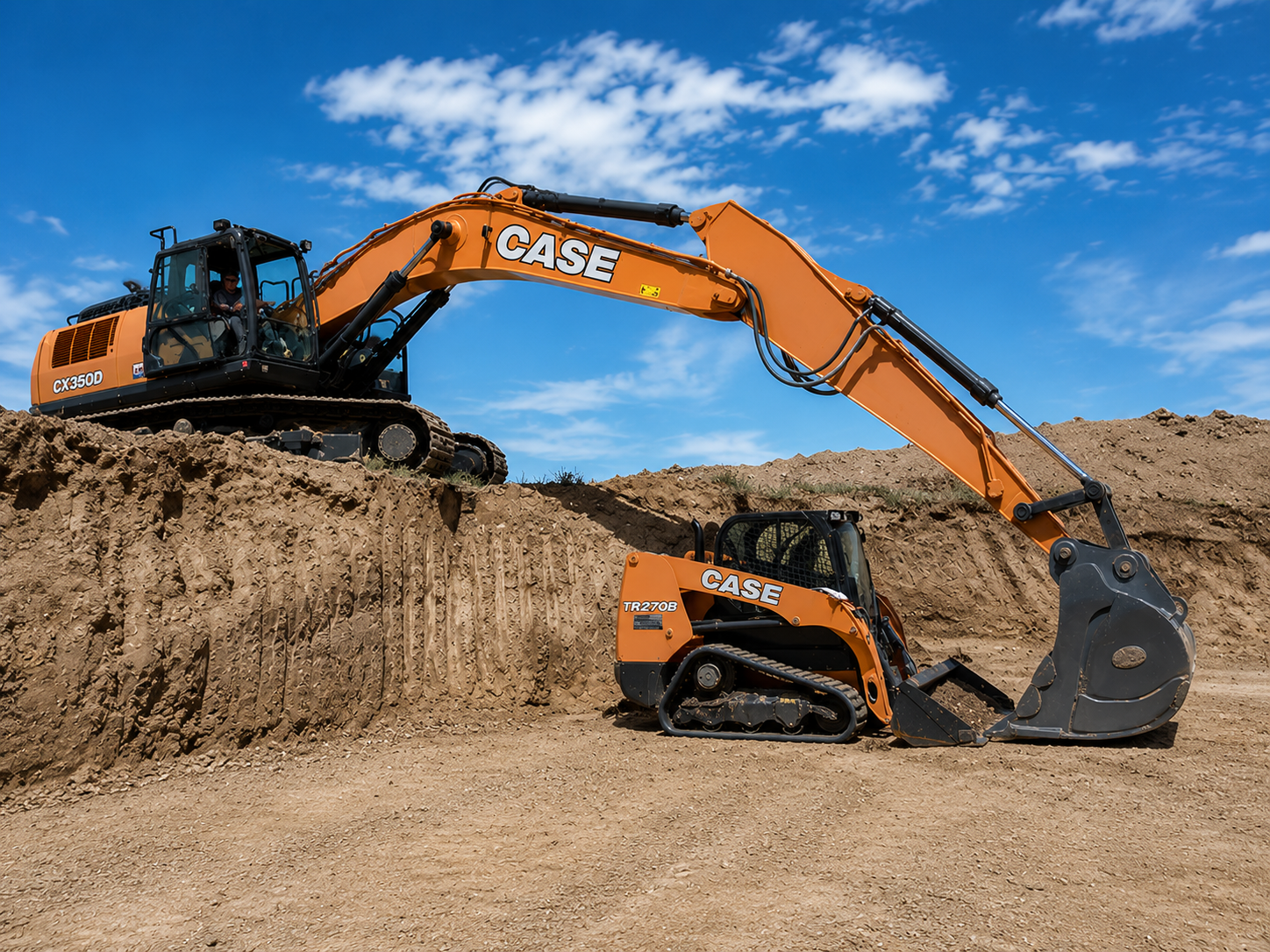
We run excavation as its own trade, not a bolt-on to concrete or landscaping work. That means a skid steer and mini-excavator crew that knows how to read a soils report, coordinate utility locates through Colorado 811, and hit compaction numbers a structural engineer will actually sign off on. Whether it's a full foundation dig for a custom home, a trench for a sewer lateral, or regrading a lot so water finally moves away from the house, the work gets done to the same standard: proper depth, proper base, proper drainage before backfill goes back in.
Most of our excavation work in Jefferson, Douglas, and Arapahoe counties pairs with another trade — a basement finish, an addition footing, a drainage correction, or a new patio base — so we scope it as part of the larger project and sequence it so nothing sits open longer than it has to.
What is included
- Colorado 811 utility locate coordination
- County grading permit and erosion control plan where required
- Topsoil stripping and stockpiling for reuse
- Bulk excavation to design subgrade
- Over-excavation and moisture conditioning in expansive soils
- Utility trenching and pipe bedding
- Compacted structural fill in lifts
- Final rough grade for drainage
What you get out of it
Soil-specific approach
We don't treat clay, decomposed granite, and cobble the same way. Each gets a different over-excavation depth and compaction method.
Utility-safe digging
Every job starts with a Colorado 811 locate request, minimum 2 business days out, plus private locates for irrigation and low-voltage lines the utility companies won't mark.
Right-sized equipment
Mini-excavators and compact skid steers get into tight urban lots in Denver and Littleton without tearing up existing landscaping or driveways.
Compaction you can verify
We compact in lifts and can coordinate third-party density testing when an engineer or building department requires it.
Erosion and mud control built in
Silt fence, straw wattles, and construction entrances go in before dirt moves, which keeps you out of trouble with county stormwater inspectors.
How we run the job
- 01
Site walk and utility locate
We walk the lot, review any soils or survey reports, and submit the Colorado 811 locate request before scheduling equipment.
- 02
Permitting and erosion control
County grading permits and stormwater plans get filed where required, and we install silt fence or wattles before the first cut.
- 03
Stripping and stockpiling
Topsoil gets stripped and stockpiled separately so it can be reused for final grading instead of hauled off at a premium.
- 04
Bulk excavation
Mini-excavators and skid steers cut to design grade, with spoils hauled off-site or stockpiled depending on the reuse plan.
- 05
Over-excavation and moisture conditioning
In expansive clay areas we over-excavate below footing grade, moisture-condition the subgrade, and recompact in controlled lifts.
- 06
Utility trenching
Water, sewer, and drainage lines get trenched to proper depth and bedded in clean aggregate before backfill.
- 07
Final grade and compaction verification
Backfill goes in in lifts with a plate compactor or roller, and we hand off a site graded to shed water away from the structure.
How long it takes
- 1–2 days
- Locates, permitting, and erosion control setup before equipment mobilizes.
- 1–3 days
- Basic lot grading or a single utility trench on an average residential lot.
- 3–7 days
- Full foundation excavation for a home addition or new custom build, including over-excavation.
- 1–2 weeks
- Larger custom home pads, walkout basement digs, or sites requiring extensive rock removal.
What moves the price
- Soil type and rock
- Decomposed granite and buried cobble in foothills lots slow production and can require hoe-ram work billed by the hour.
- Access and lot size
- Narrow urban lots in older Denver neighborhoods often mean smaller equipment, more hand work, and longer timelines than open acreage.
- Depth and volume
- A walkout basement dig or deep utility trench moves far more cubic yardage than a shallow footing trench.
- Haul-off distance
- Spoils that can't be reused on-site have to go to a landfill or fill site, and disposal fees and haul distance both affect the bid.
- Dewatering needs
- High water table sites, common near South Platte and Bear Creek drainages, may need well points or sump pumping during the dig.
Specifications that hold up in Colorado
Structural fill and road base
Class 6 aggregate base course under slabs and driveways, compacted in 6–8 inch lifts to at least 95% standard Proctor density.
Bedding sand and pea gravel
Used around utility pipe to protect it from sharp native rock and allow proper compaction without point-loading the line.
Geotextile fabric
Separation fabric between native clay subgrade and imported base material keeps the two from mixing and losing bearing capacity over time.
Native soil reuse
Where soil isn't expansive, we reuse stripped topsoil and select native material for final grading and berms instead of paying to import and haul off.
Rock removal equipment
Hoe-ram attachments handle the granite outcrops and boulder fields common in foothills communities like Morrison and Golden.
Colorado considerations
Most Front Range soil is expansive Denver Blue clay or Pierre Shale bentonite clay, which can exert thousands of pounds per square foot of swell pressure against a foundation when it gets wet. That's why we over-excavate and moisture-condition below footings rather than just cutting to depth and pouring — skipping this step is the single most common cause of foundation movement claims in the metro area.
Frost depth on the Front Range runs 30 to 36 inches depending on elevation and jurisdiction, so footings, water services, and any structure meant to stay put through winter need to sit below that line. We check the local frost depth requirement with each county or municipal building department rather than assuming a blanket number.
Spring runoff and summer monsoon downpours hit clay soils hard, and an open excavation left unprotected can turn into a mud pit or a washed-out trench overnight. We keep open excavations as short in duration as possible and always have erosion control staged before the first cut, especially May through August.
Jefferson, Douglas, Arapahoe, and Denver counties each have their own grading permit thresholds — some trigger at a specific cubic yardage, others at disturbed square footage. We pull the right permit up front rather than risk a stop-work order mid-project.
Project photos
Excavation & Dirt Work FAQs
Do I need a permit to excavate on my property in Colorado?
Usually yes once you exceed a jurisdiction-specific volume or disturbance threshold. Jefferson, Douglas, Arapahoe, and Denver counties each set their own limits, and stormwater plans are often required alongside the grading permit. We pull whatever's needed before equipment shows up.
How deep do footings need to be on the Front Range?
Frost depth typically runs 30 to 36 inches depending on elevation and the specific municipal code, but expansive clay conditions can push a structural engineer to require deeper or specially designed footings regardless of frost line.
What happens if you hit rock during a dig?
Foothills lots near Golden, Morrison, and parts of Highlands Ranch often have decomposed granite or buried cobble. We carry hoe-ram attachments for that situation and bill any significant rock removal as a change order once we can see the extent of it.
Can you reuse the dirt you dig up instead of hauling it away?
Where the native material isn't overly expansive, yes — we stockpile and reuse it for final grading and berms, which saves you both the haul-off fee and the cost of importing fill.
How do you keep mud and erosion under control during a dig?
Silt fence, straw wattles, and a stabilized construction entrance go in before the first cut, and we keep open excavations covered or protected ahead of forecasted rain, which matters most during spring runoff and the summer monsoon pattern.
How long does a typical basement or foundation excavation take?
A standard walkout basement dig for a custom home usually runs 3 to 7 days including over-excavation and moisture conditioning; a simple footing trench for an addition can be done in a day or two.
Related services
Basement Finishing
Full basement finishing for Denver metro homes, from framing and egress windows to electrical, drywall, and finish carpentry.
Custom Home Building
Ground-up custom homes and ADUs for Front Range lots, built by a licensed general contractor who manages excavation through final trim.
Drainage
Grading corrections, French drains, and surface water solutions built for expansive Front Range clay.
Start your excavation & dirt work project
Tell us what you are planning. We walk the site, talk through what it actually takes, and send a line-item estimate you can read.